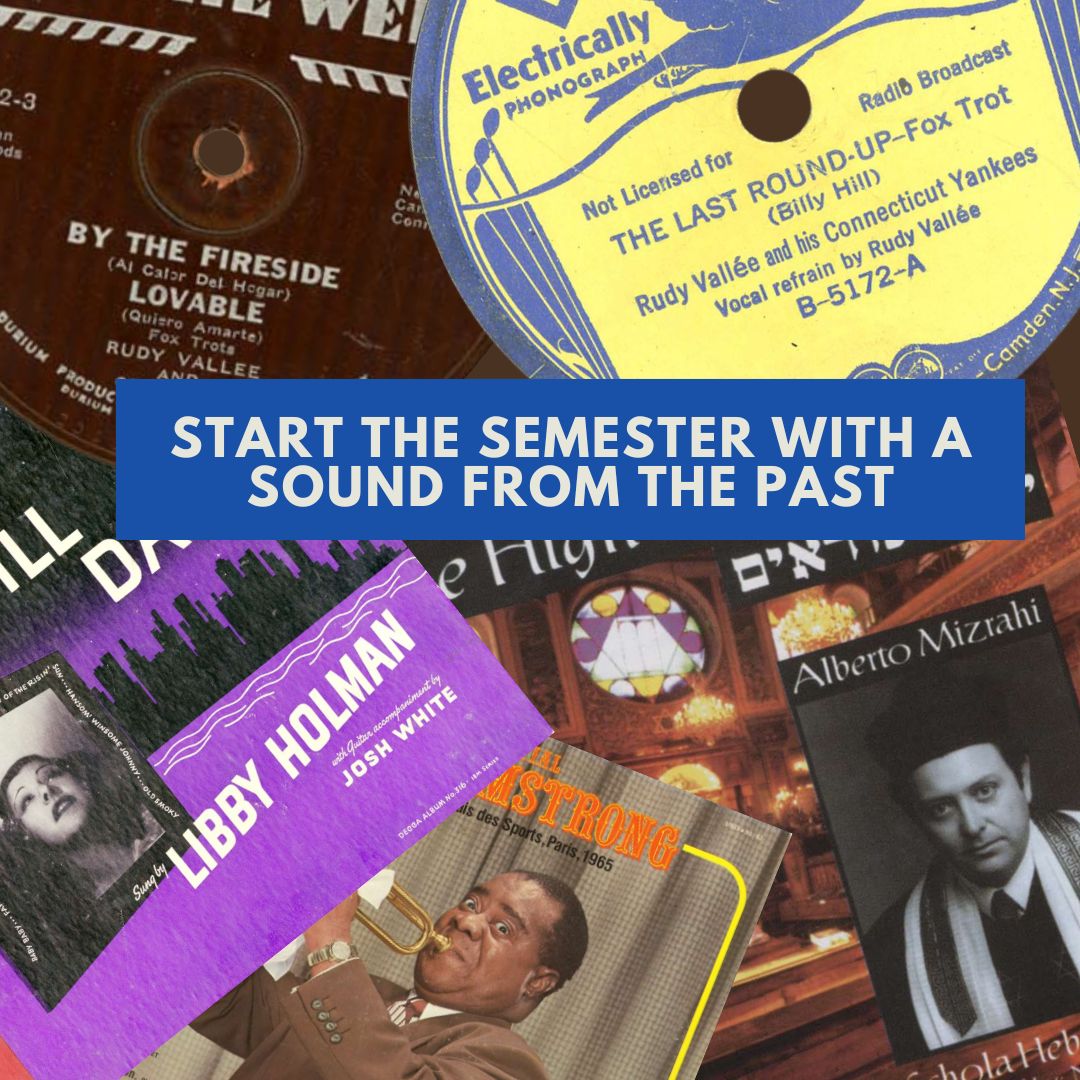
A new semester is full of possibilities. As students return to campus and dive into new subjects, ideas, and experiences, there are countless opportunities to discover something unexpected. Sometimes, those discoveries come from listening to the sounds of the past.
At the Recorded Sound Archives, history comes alive through recorded sound. From music and popular culture to religious traditions and cultural heritage, our collections offer a unique window into the people, places, and moments that shaped earlier generations.Read More About This…
As we celebrate the Fourth of July, we are highlighting a special vintage piano roll performance of God Bless America by Irving Berlin from the personal piano roll collection of Ben Roth.
Few patriotic songs have remained as deeply woven into American culture as God Bless America. Originally written by Irving Berlin in 1918 during World War I, the song was initially set aside and later revised in 1938 amid growing international tensions. Upon its release, it quickly became one of the most recognizable patriotic songs in the United States, performed by generations of singers, musicians, and communities during moments of both celebration and reflection.Read More About This…
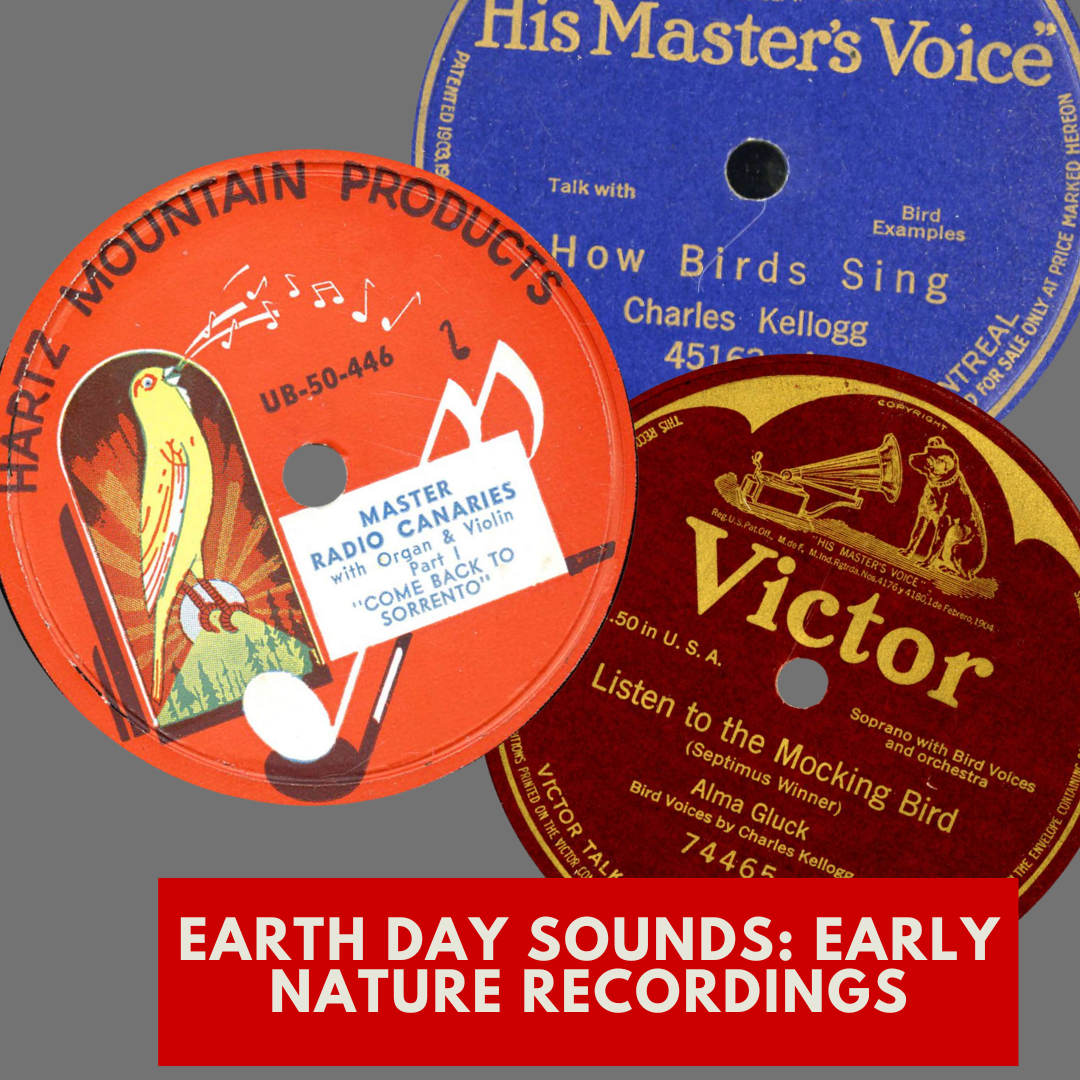
Recent headlines about newly rediscovered whale recordings have captured the public imagination, reminding us just how powerful sound can be in understanding the natural world. In fact, the earliest known whale song recorded in 1949 during underwater sonar experiments was only recently identified, offering a rare glimpse into a quieter ocean of the past.
At the Recorded Sound Archives (RSA), discoveries like these resonate deeply. While archives are often associated with music, sound collections also preserve the voices of the natural world, capturing animals, environments, and ecosystems across time. Earth Day provides an opportunity to reflect not only on the environments we protect, but on the sounds that define them.Read More About This…
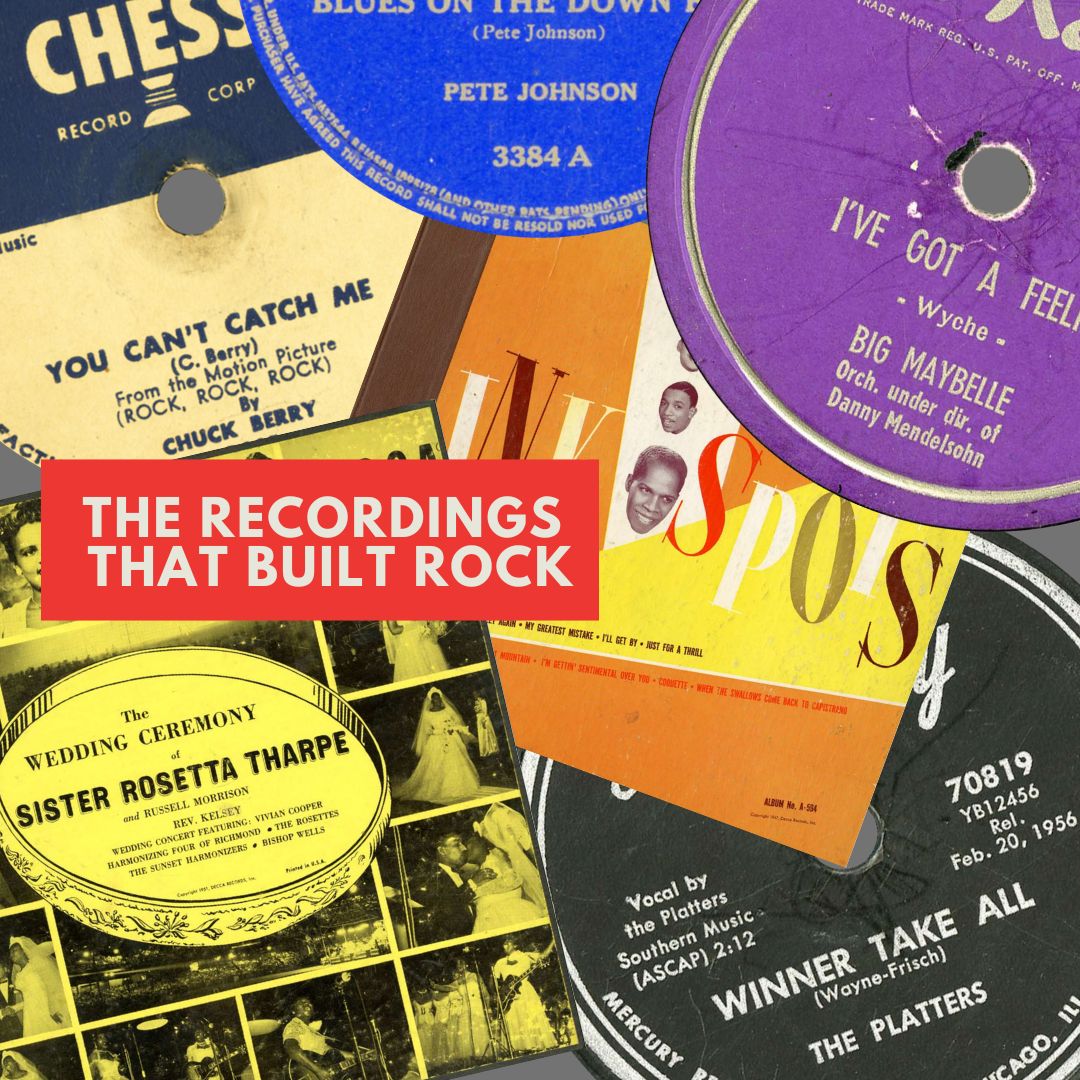
The story of rock ’n’ roll begins long before it had a name. Its roots run deep in the musical traditions of African American communities — in the driving rhythms of blues, the spiritual intensity of gospel, and the improvisational brilliance of jazz. These sounds did not merely influence rock ’n’ roll; they built it.
Among its earliest architects was Sister Rosetta Tharpe, whose electrified guitar and gospel-infused vocals in the 1930s and 1940s helped shape the sound that would ignite a musical revolution. Her fearless performance style — equal parts sacred and rebellious — anticipated the energy that would define rock stages decades later. In 1951, she even staged her wedding at Griffith Stadium before a crowd of more than 20,000 fans, turning a personal milestone into a landmark commercial recording event.Read More About This…

 Comments (0)