This Halloween, the Recorded Sound Archives invites you to step into the spirited world of Cab Calloway — the legendary bandleader, singer, and showman whose larger-than-life performances brought both swing and spectacle to the jazz age.
Long before Halloween playlists or themed albums, Calloway was already weaving ghosts, devils, and playful mischief into his music. His charismatic voice, animated conducting style, and theatrical storytelling made him one of the most unforgettable entertainers of his time. Whether performing in Harlem’s Cotton Club or on national radio, Calloway had a rare gift for turning every song into a story — one that could make you laugh, shiver, and dance all at once.Read More About This…
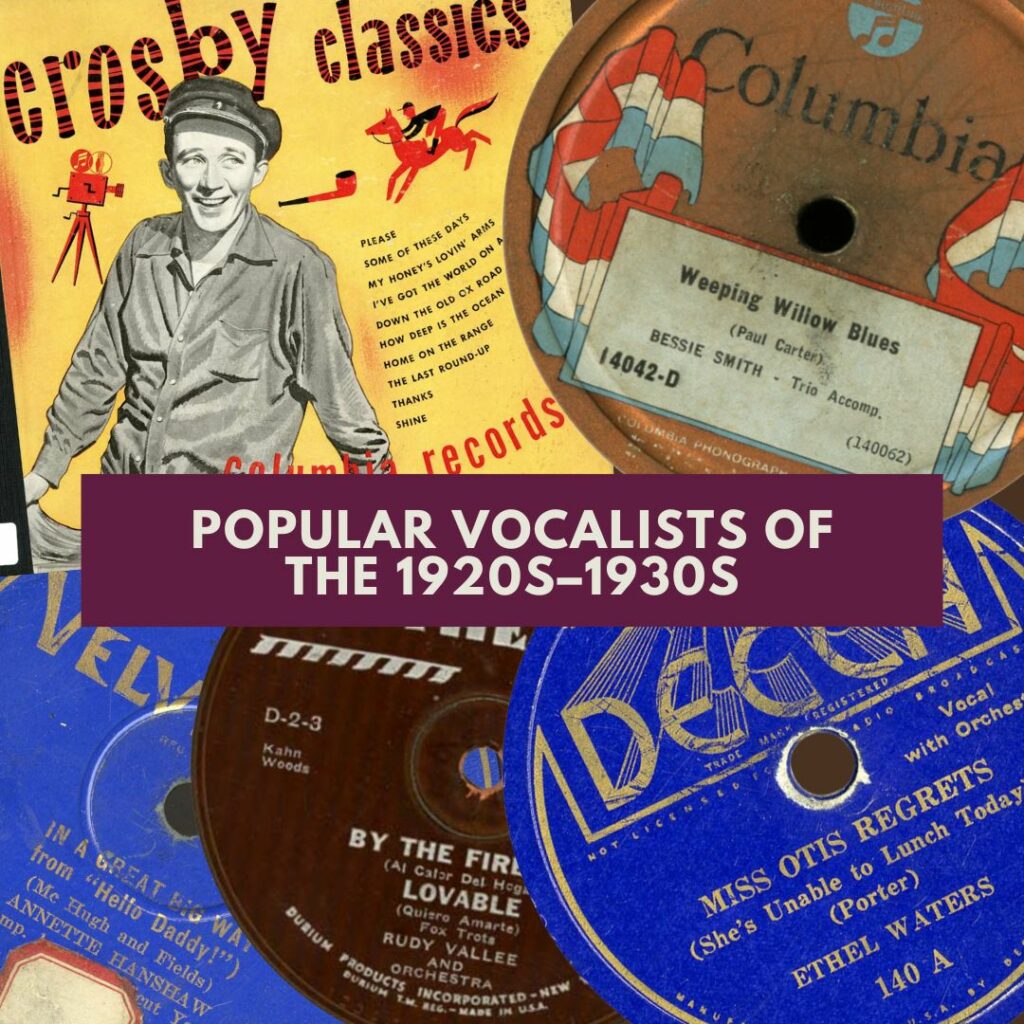
The 1920s and 1930s were transformative decades in American music. As technology evolved—from acoustic horns to electric microphones and national radio broadcasts—so did the role of the singer. For the first time, individual vocalists could connect with listeners on a deeply personal level, their voices crackling across radio waves and spinning from gramophones in homes across the country.
This golden age introduced us to vocal pioneers whose artistry laid the foundation for modern pop, jazz, and blues.Read More About This…
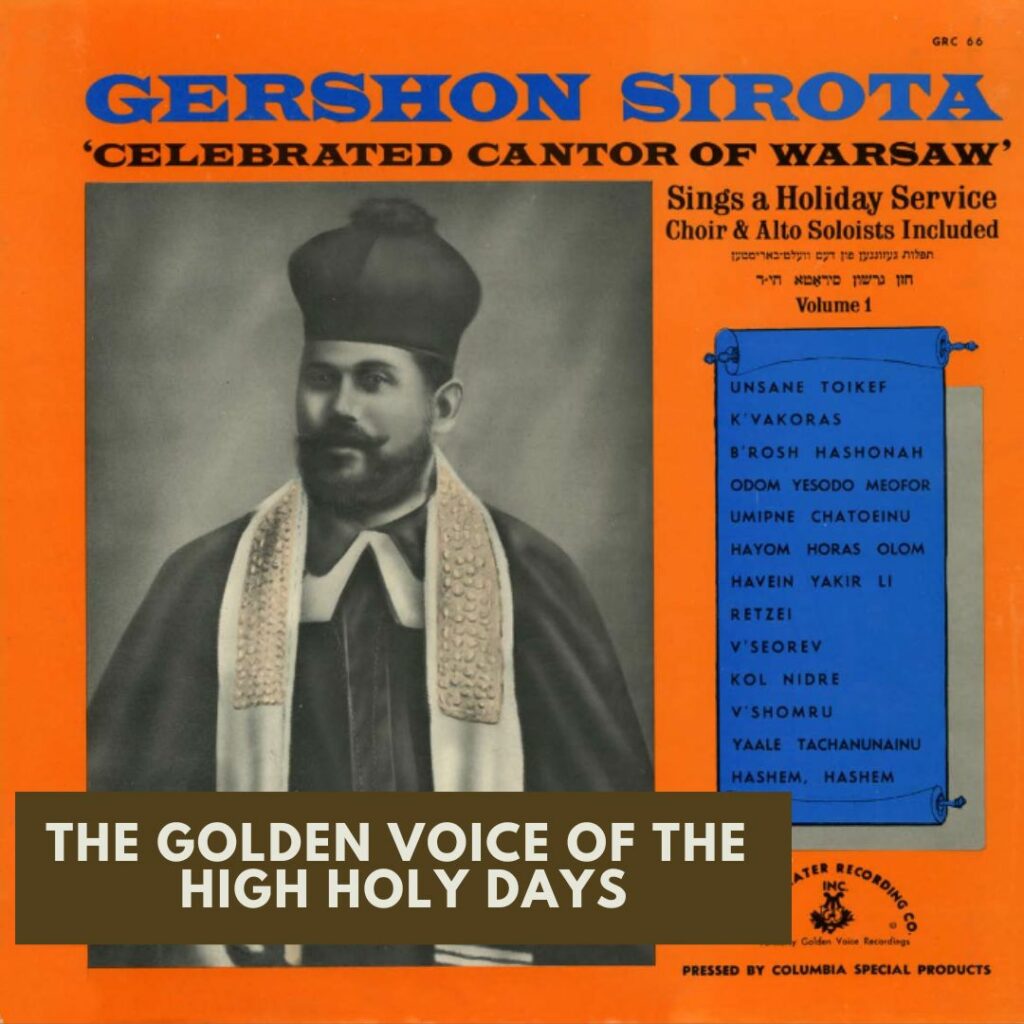
As we prepare for the High Holy Days, we reflect on tradition and prayer and the voices that have carried these sacred melodies through time. Among them stands one of the greatest cantorial legends of all time — Cantor Gershon-Yitskhok Leibovich Sirota (1874–1943).
Often called the “Jewish Caruso,” Sirota’s rich tenor voice helped define the Golden Age of Khazzanut (cantorial music). He began his career in Odessa, later serving eight years as cantor of the Shtatshul (State Synagogue) in Vilna, where he began a lifelong collaboration with choirmaster Leo Lowe. In 1907, he became the cantor of the prestigious Tłomackie Street Synagogue in Warsaw, a role that solidified his reputation as one of Europe’s greatest liturgical artists.Read More About This…
As the days grow longer and the scent of barbecue fills the air, summer settles in—and with it comes a soundtrack that stirs nostalgia and national pride. At the Recorded Sound Archives at FAU, our vintage recordings tell the story of American summers past: patriotic marches, carefree swing tunes, and songs that once drifted from radios on porches and park benches across the country.
Following our Memorial Day Tribute, we invite you to take a deeper dive into the sounds that shaped American summers between the 1920s and 1950s. This curated collection celebrates everything from sunny strolls to star-spangled joyrides. Whether you’re planning a backyard cookout or simply daydreaming of summers gone by, let these voices and melodies carry you back in time.Read More About This…
When you think of “pop music,” you might imagine slick beats and catchy hooks. But rewind a century, and “pop” meant something quite different. In the 1920s and 1930s, popular music was the heartbeat of family living rooms, broadcast radios, and record players spinning 78rpm discs.
This Father’s Day, we invite you to step into a musical time machine with the Recorded Sound Archives and celebrate the vintage voices that defined what “dad music” sounded like back then—whether it was crooning love songs, swinging jazz, or toe-tapping novelty tunes.Read More About This…

 Comments (0)