Bob Berkman’s pianola brings a rich new sound to vintage early 20th century Jewish music
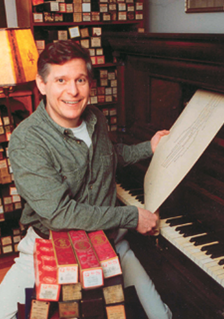
The first time I heard Bob Berkman’s CD, Klezmerola, I just couldn’t stop playing it. I loved the old time sound that Bob was able to achieve with his pianola. I loved the way the sound of the pianola (player piano) augmented the impact of the music that had once defined a generation of Jews and now was fading from memory.
I am delighted that the Judaica Sound Archives at Florida Atlantic University can now boast a collection of 47 Jewish songs by America’s premier pianolist, Bob Berkman.Read More About This…
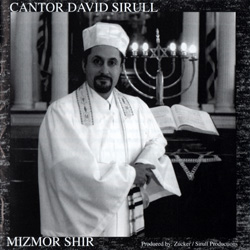
Rabbi/Cantor David Sirull posted this upbeat musical Rosh Hashanna video on You Tube. He is the spiritual leader of the Conservative synagogue in Augusta, Georgia and was classically trained in the art of Eastern European Chazanut. To hear a different side of Cantor Sirull’s talents listen to Mizmor Shir which is part of the Judaica Sound Archives collection.
Celebrate the New Year with the Judaica Sound Archives. . . . .
Become a JSA member
Get a CD of this album as our gift to you!
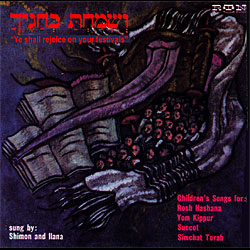
This year the Judaica Sound Archives at FAU Libraries in Boca Raton, Florida is celebrating the High Holy Days by highlighting one of our favorite albums: Ye Shall Rejoice on your Festivals.
This album, recorded by Shimon and Ilana Gewirtz in the early 1970s, feature their children, Aviva (7 yrs old at the time of this recording), and Shira, who was 5.Read More About This…
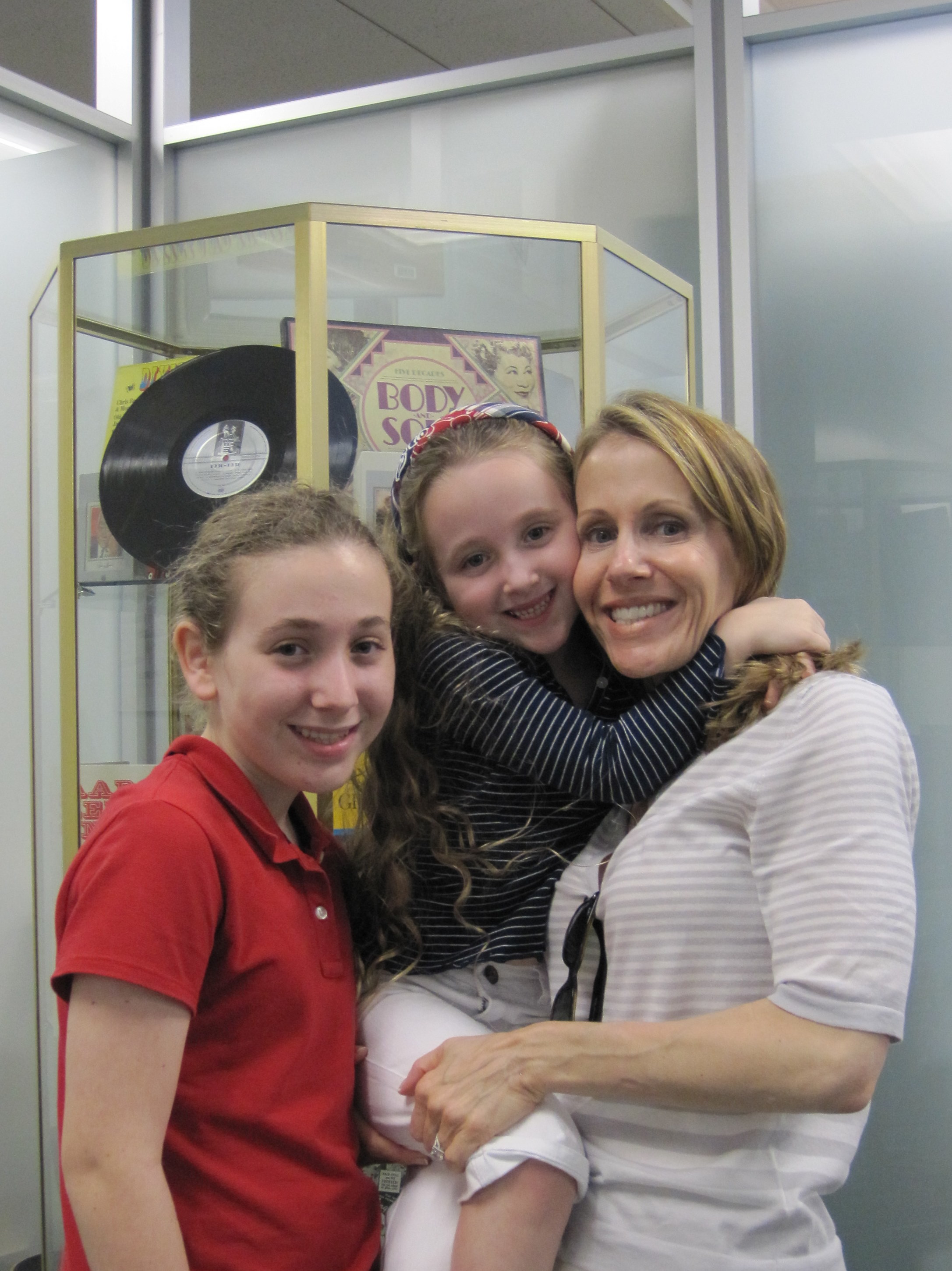
Photo of Manning Martus (at left) with sister, Allyn, and mom, Devra
Manning Martus, along with her younger sister, Allyn and her mom, Devra, visited the Judaica Sound Archives at the Wimberly Library on FAU’s Boca Raton campus in October 2011.
She was looking for Mitzvah Project that reflected both her interest in music and her respect for her cultural heritage. And. She had a plan.Read More About This…
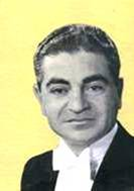
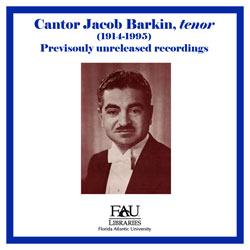
Jacob Barkin became an internationally acclaimed cantor and operatic performer during the 1950s, 1960s and 1970s. He performed with the Pittsburgh and New York Symphony Orchestras and was offered a contract by the Metropolitan Opera (which he declined). Early in his career he became a White House favorite of presidents Franklin Roosevelt and Harry Truman. While officiating at Adas Israel Congregation in Washington DC (1952 – 1975) he was invited to perform at the White House by presidents Dwight Eisenhower and Richard Nixon.
A highlight of his career was being asked to step into Richard Tucker’s role as Cantor for High Holiday services at the famous Concord Hotel in upstate New York (Catskills). He officiated at Holy Blossom Congregation in Toronto, until his retirement in 1995.Read More About This…

 Comments (0)