
Foundations of Rock ‘n’ Roll: The Originators
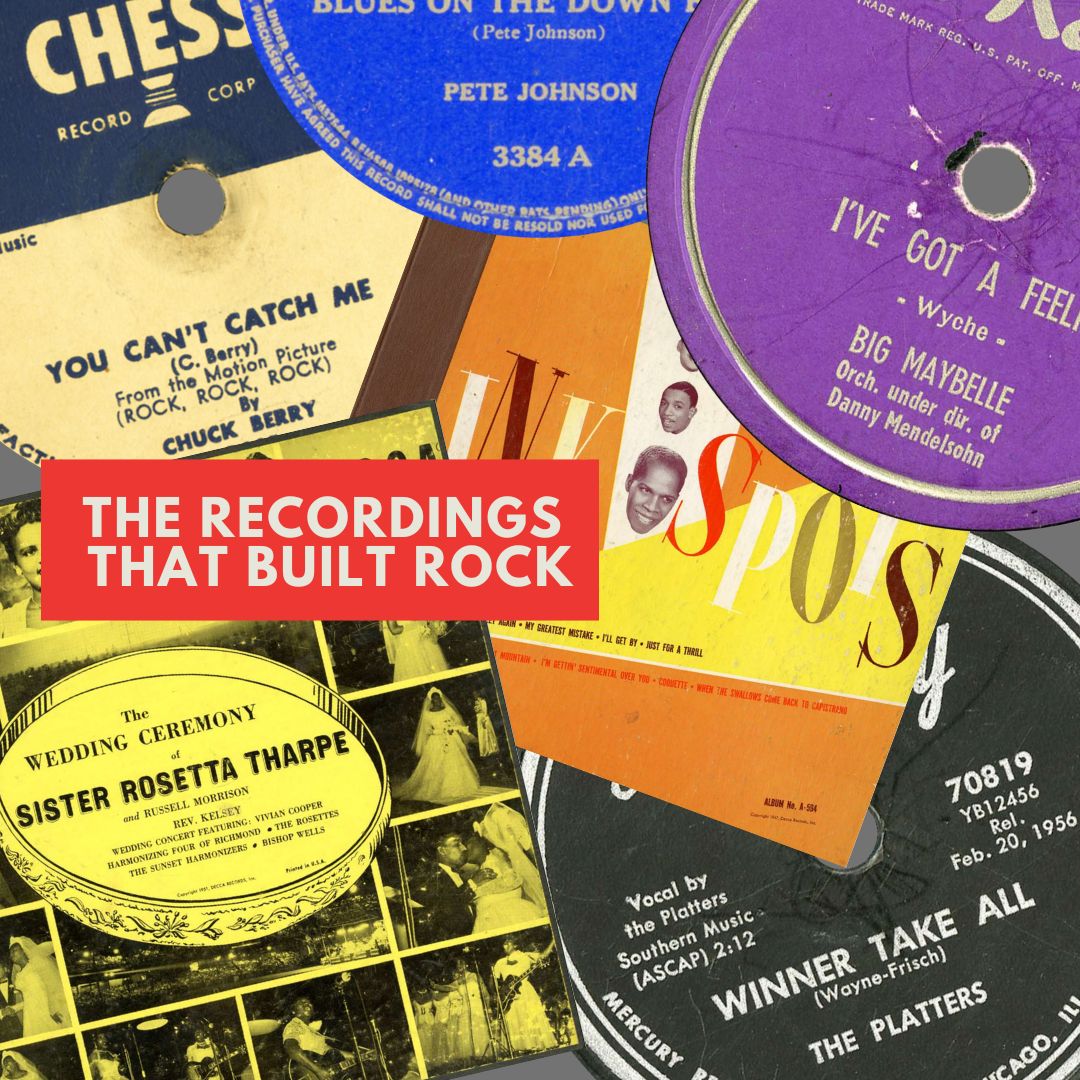
The story of rock ’n’ roll begins long before it had a name. Its roots run deep in the musical traditions of African American communities — in the driving rhythms of blues, the spiritual intensity of gospel, and the improvisational brilliance of jazz. These sounds did not merely influence rock ’n’ roll; they built it.
Among its earliest architects was Sister Rosetta Tharpe, whose electrified guitar and gospel-infused vocals in the 1930s and 1940s helped shape the sound that would ignite a musical revolution. Her fearless performance style — equal parts sacred and rebellious — anticipated the energy that would define rock stages decades later. In 1951, she even staged her wedding at Griffith Stadium before a crowd of more than 20,000 fans, turning a personal milestone into a landmark commercial recording event.
Soon after, artists like Chuck Berry transformed rhythm and blues into a new cultural force. With signature riffs in songs like “Johnny B. Goode,” Berry’s guitar became the blueprint for generations of musicians. Alongside him, Little Richard brought explosive piano and flamboyant showmanship to the forefront, while Fats Domino blended New Orleans rhythm with pop accessibility, expanding the reach of the genre.
The contributions of these artists cannot be overstated. Their recordings — many originally issued on 78rpm discs — capture the moment when blues, gospel, and rhythm converged into something entirely new.
Explore the originators of rock ’n’ roll through the Recorded Sound Archives’ collection of early recordings that shaped the sound of a generation.
