
High Holy Days in a Conservative Synagogue
 Comments (0)
 5774 A new year. In case you haven’t noticed...the world is changing.
Comments (0) 5774 A new year. In case you haven’t noticed...the world is changing.
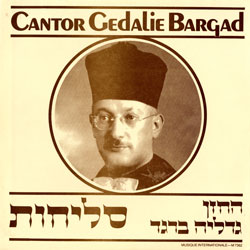
The music of the traditional synagogue in America has strong roots in the culture and shtetls of 19th and early 20th century Eastern Europe. Like many of the greats of the Golden Era of Hazzanut Cantor Gedalie Bargad was a gifted hazzan who grew out of the chassidic environment.
Born in 1898 on Kol Nidre evening in the small town of Slavuta (Volhynia Province, Russia), his promising career as a cantor was disrupted by war, civil strife and his family’s struggle for survival. Eventually Bargad and his bride were able obtain travel documents and arrived in Boston on May 25, 1921.
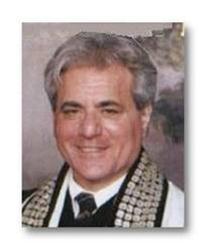
Equally at home on the opera stage and in the synagogue, Stephen Texon’s successful and distinguished singing career spans decades.
The Judaica Sound Archives is delighted to add the voice of Cantor Stephen Texon to its distinguished online collection of Cantorial and operatic recordings. A native New Yorker, Texon studied at Yeshiva University and NYU. His rich baritone voice was a natural for the opera stage and he was inspired to pursue operatic training in Geneva, Switzerland and at the Met in NYC.
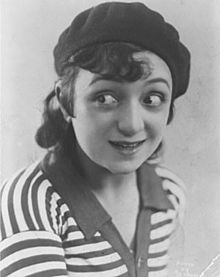
The Judaica Sound Archives at FAU Libraries honors the work and life of Molly Picon. Compiling 58 of her earliest songs produced on 78 rpm records and four of her LP albums produced later in her career, the JSA invites you to revisit the talents of a truly great Jewish female icon.
Who was Molly Picon?
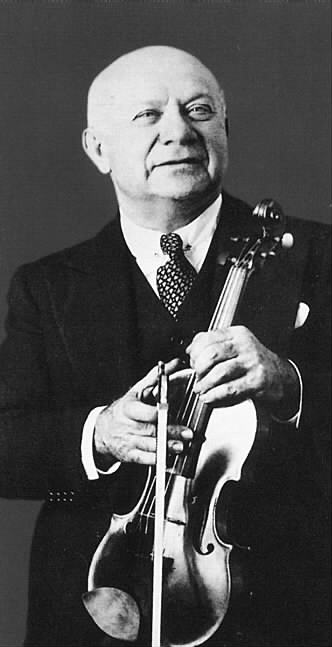
The Judaica Sound Archives at FAU Libraries has created six digitized compilations from 77 original 78 rpm recordings of world famous Jewish violinist, Mischa Elman.
All these recordings were originally produced between 1906 and 1921.

