
Jingle Bells: From Thanksgiving Sleigh Rides to a Christmas Classic
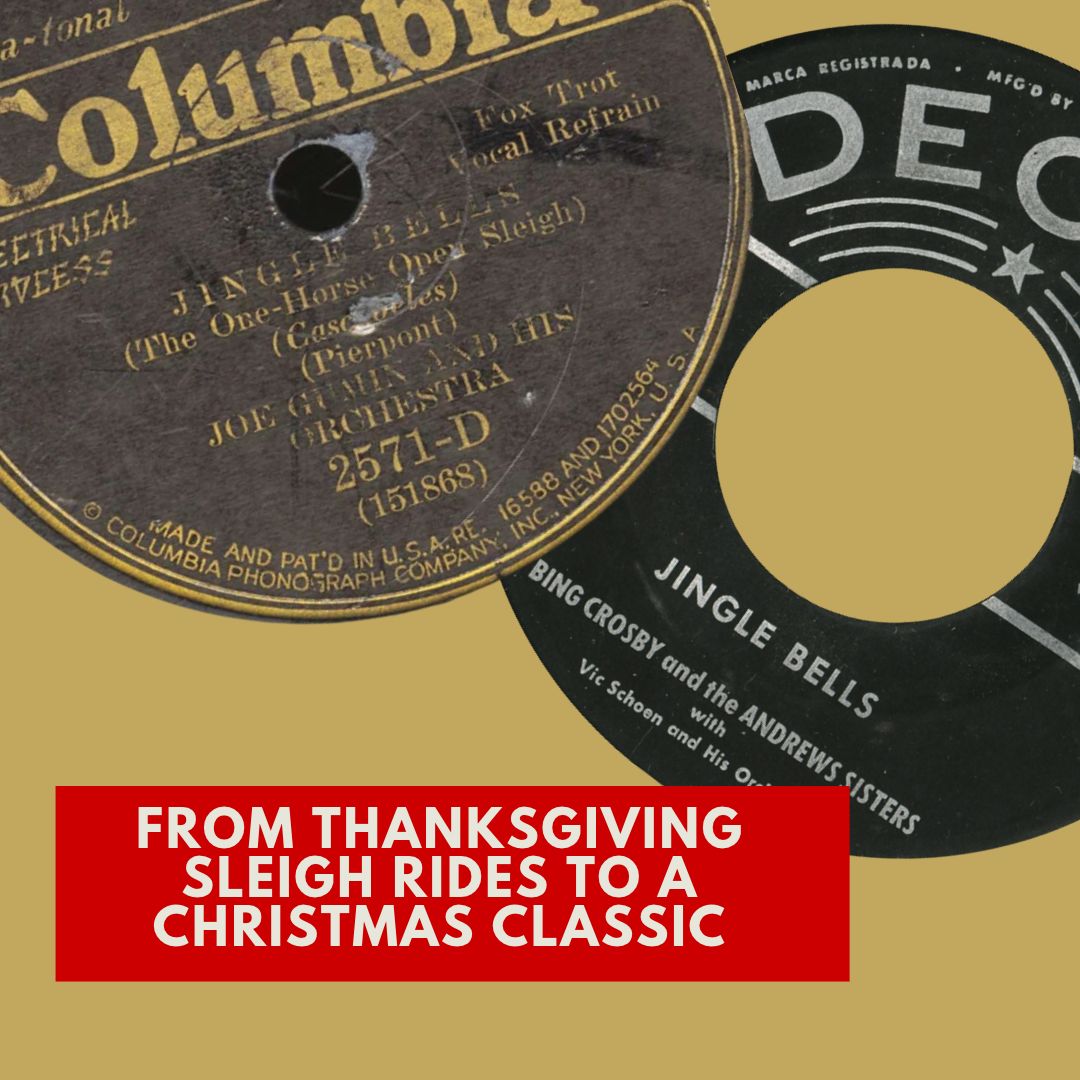
Did you know that one of the world’s most beloved Christmas songs was not originally written for Christmas?
Composed by James Lord Pierpont and first published in September 1857 under the title “The One-Horse Open Sleigh,” the song was inspired by the excitement of winter sleigh rides and races, particularly those associated with Thanksgiving celebrations.
Over the following decades, its cheerful melody and festive imagery of snow, bells, and winter fun helped transform it into a holiday favorite. By the early 20th century, “Jingle Bells” had become firmly associated with Christmas.
The song’s popularity grew through memorable recordings, including one of the earliest known versions by the Edison Male Quartette in 1898, recorded on an Edison phonograph cylinder. Later, renowned performers such as Bing Crosby and the Andrews Sisters helped establish it as a holiday standard, with their 1943 recording becoming a memorable seasonal favorite.
But its journey did not stop on Earth!
On December 16, 1965, astronauts Wally Schirra and Tom Stafford made history aboard NASA’s Gemini 6 mission by surprising Mission Control with a performance of “Jingle Bells” using a harmonica and small jingle bells. This became the first musical performance broadcast from space.
From its 19th-century beginnings as a song about sleigh rides to its unexpected journey into space, “Jingle Bells” has become a timeless part of holiday culture.
A little piece of music history that reminds us that even the most familiar traditions can have surprising beginnings!
Discover more holidays favorites inside our vintage holiday collection.
